Amazing Life Cycles Writing Prompts & Printable Worksheets
11 Free PrintablesThese amazing life cycles writing prompts give kindergarten through third grade students an instant, no-prep activity: every one-page worksheet pairs a visual word bank, a drawing box, and differentiated handwriting lines, so writers at every level can start immediately.
Use them for writing centers, morning work, or whole-class lessons — each prompt supports K-3 narrative and opinion writing practice with zero preparation. Just print and go; no login is needed to preview or download.
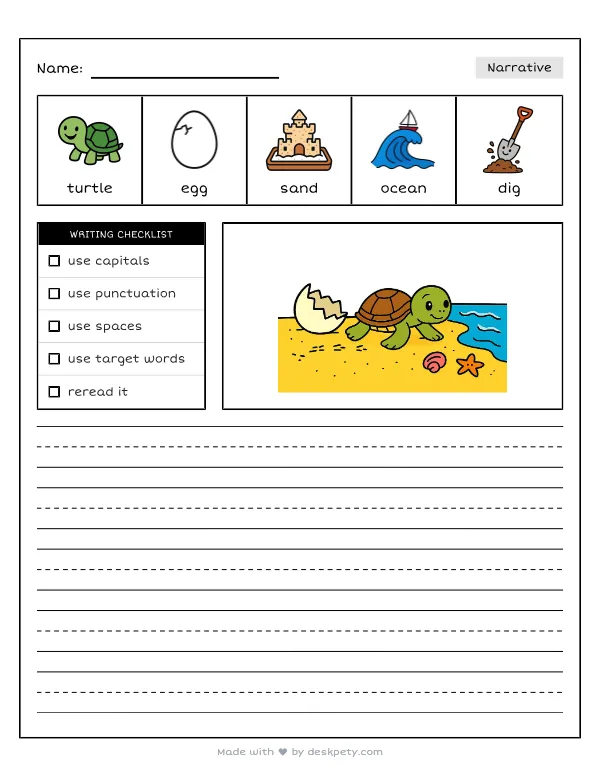
A baby sea turtle hatching from the sand and crawling toward the ocean
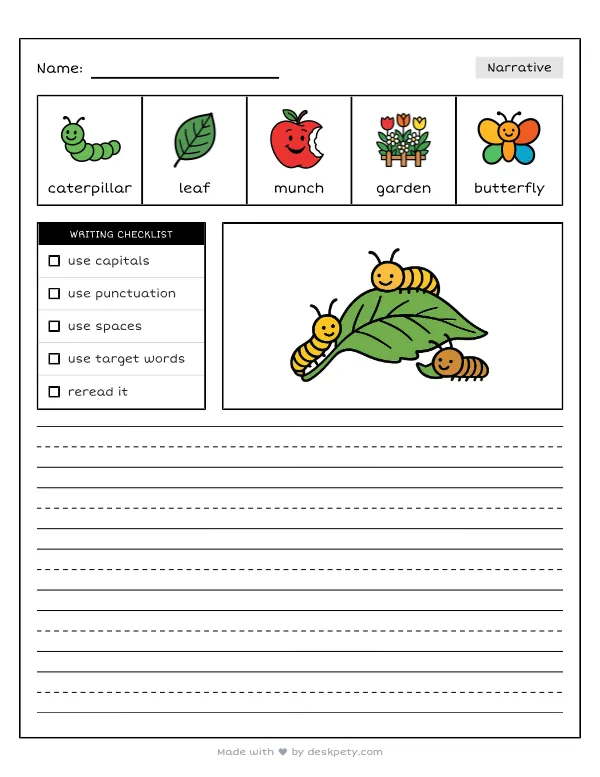
A cluster of tiny monarch caterpillars munching on a milkweed leaf
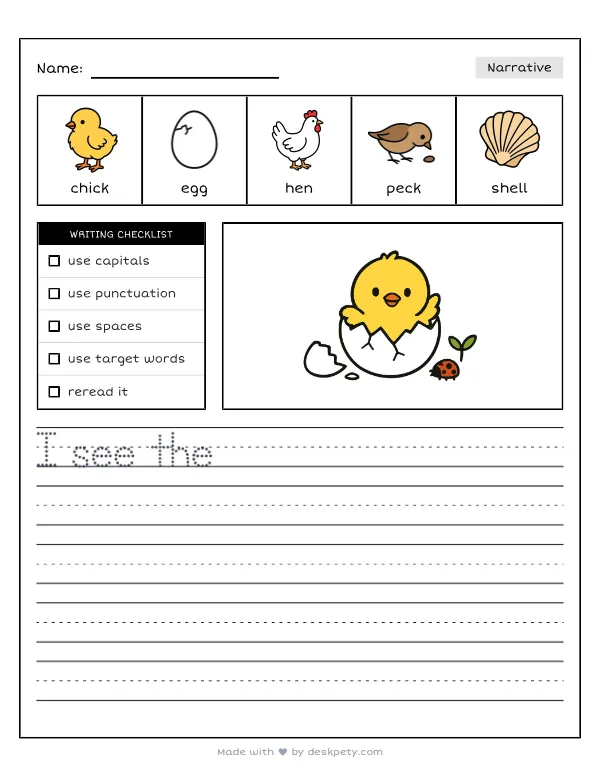
A fluffy baby chick hatching out of a cracked white egg
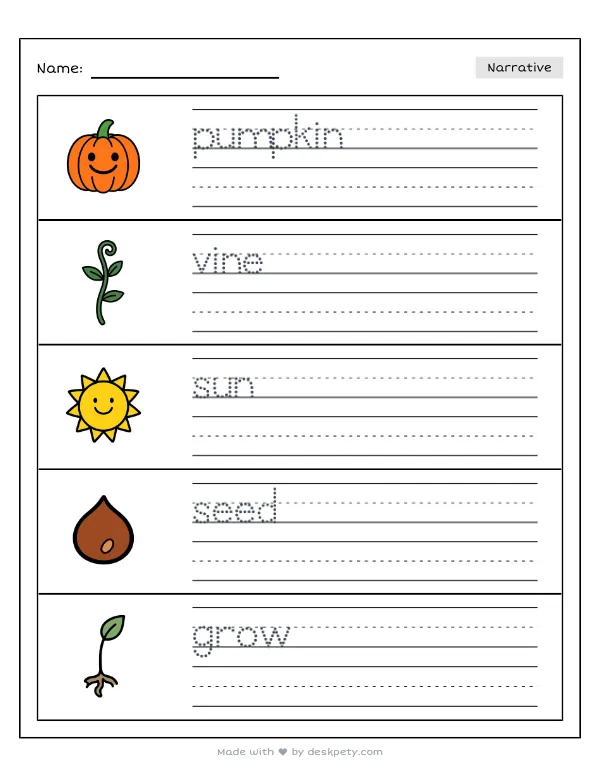
A green vine blooming and growing a giant orange pumpkin
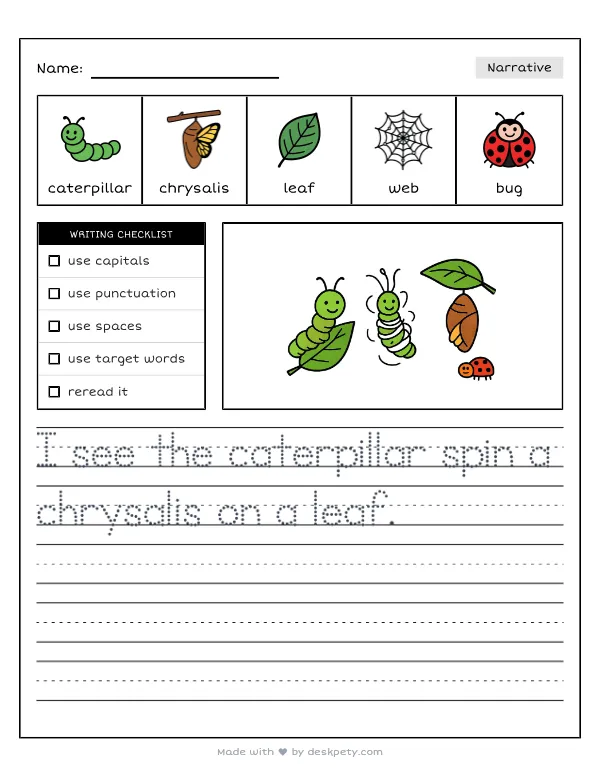
A hungry caterpillar spinning a chrysalis to become a butterfly
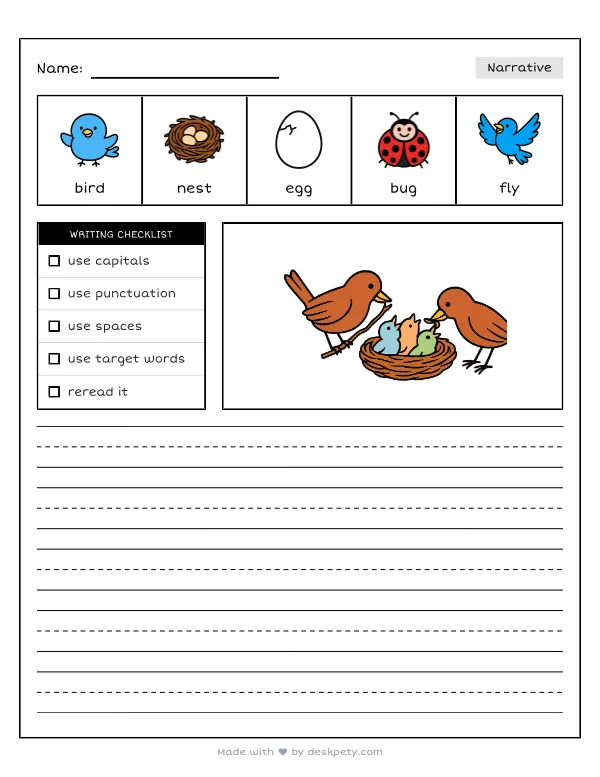
A mother bird building a nest and feeding her baby chicks
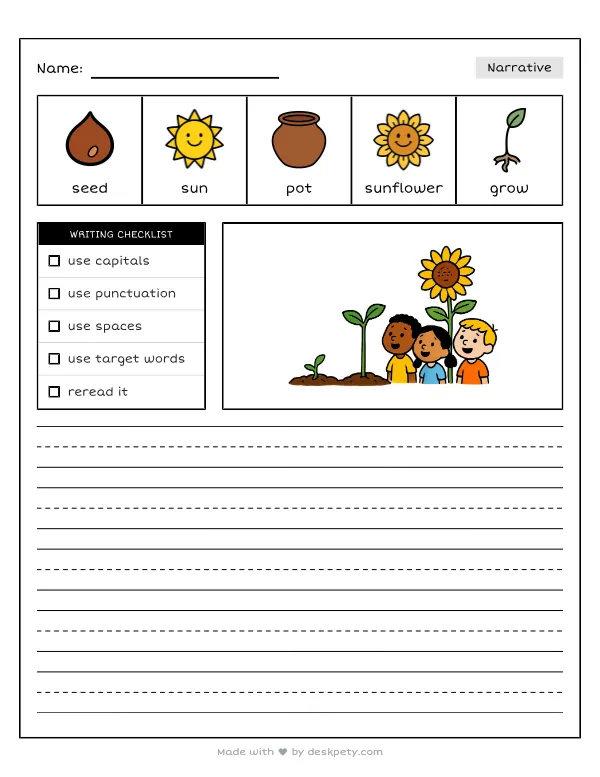
A small seed sprouting in the dirt and growing into a tall sunflower
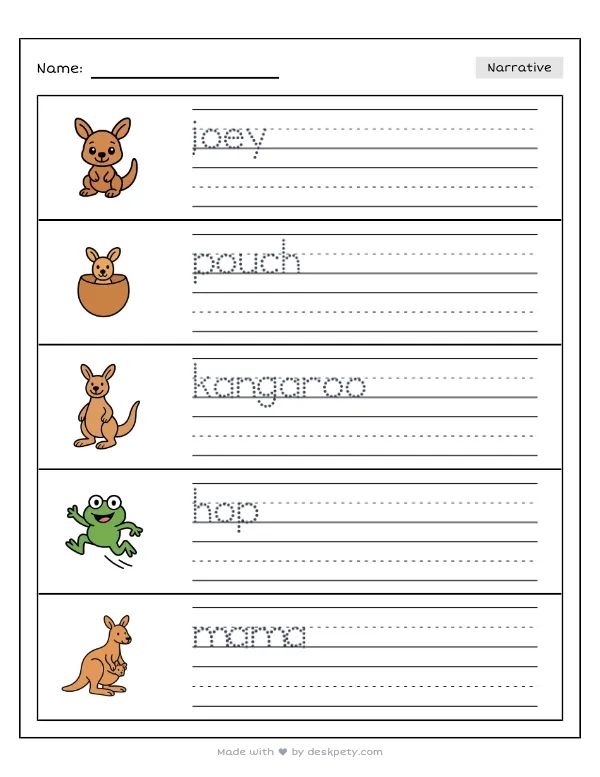
A tiny baby joey growing safely inside a kangaroo's pouch
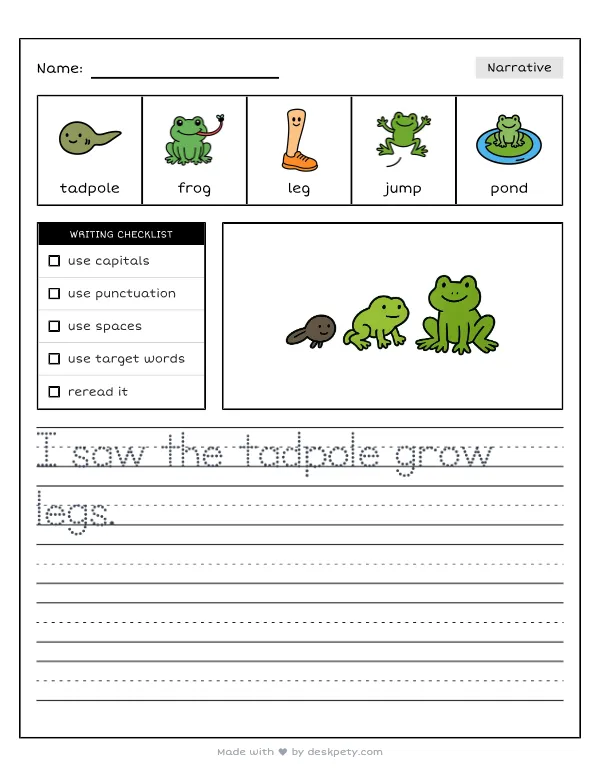
A tiny tadpole growing legs to turn into a green frog
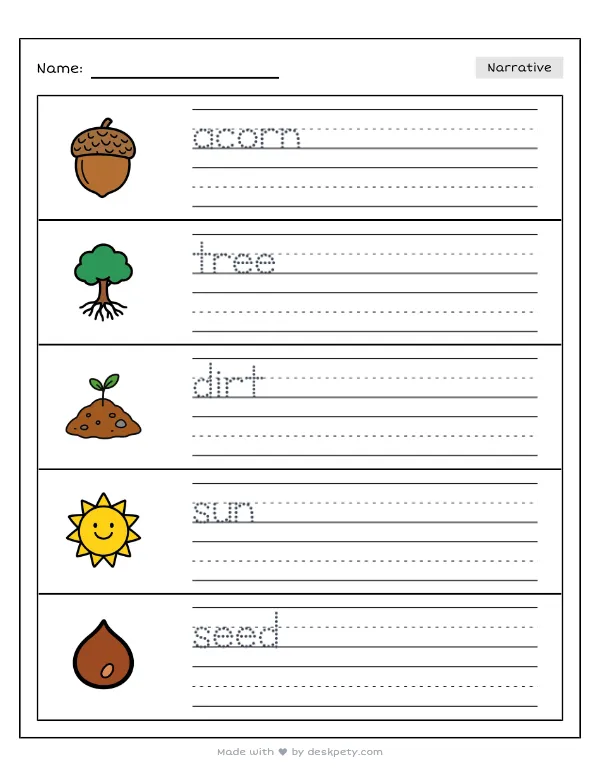
An acorn in the dirt growing into a massive, strong oak tree
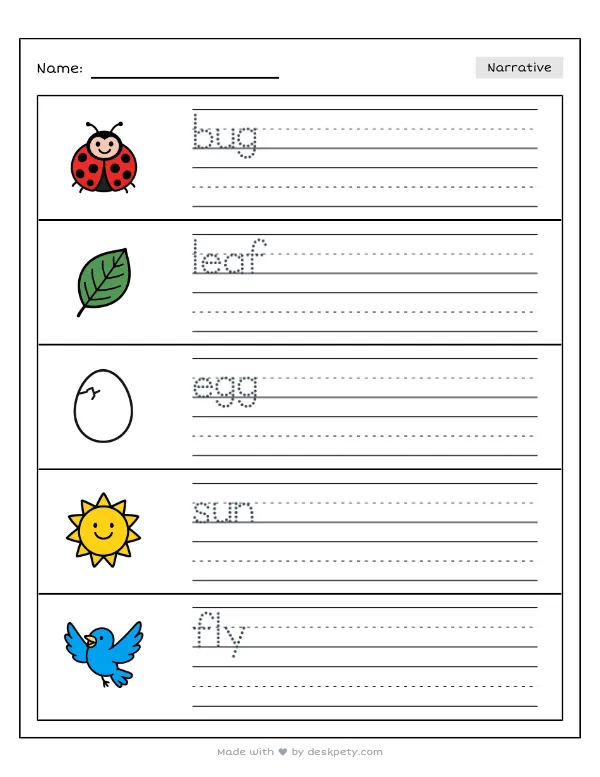
The amazing life cycle of a red and black spotted ladybug
Amazing Life Cycles Worksheets — Frequently Asked Questions
Are these Amazing Life Cycles writing prompts free to print?
Yes. Every writing prompt worksheet in this collection can be downloaded instantly as a high-resolution, print-ready PDF — no login required to preview and no prep needed to use.
What grade levels are these worksheets designed for?
These worksheets are tailored for Kindergarten through 3rd Grade, featuring differentiated primary handwriting lines and visual vocabulary word banks.
Do these worksheets include word banks and handwriting lines?
Yes. Each worksheet includes a picture-supported word bank, a drawing box for early writers, and leveled handwriting lines that grow with your students.
How can I use these worksheets for differentiated instruction?
Every prompt comes in multiple writing styles — from drawing and labeling to full sentences — so you can hand the same amazing life cycles topic to students at different writing levels in the same lesson.